Best DIY Safety Gear for Beginners
As an Amazon Associate, we earn from qualifying purchases.
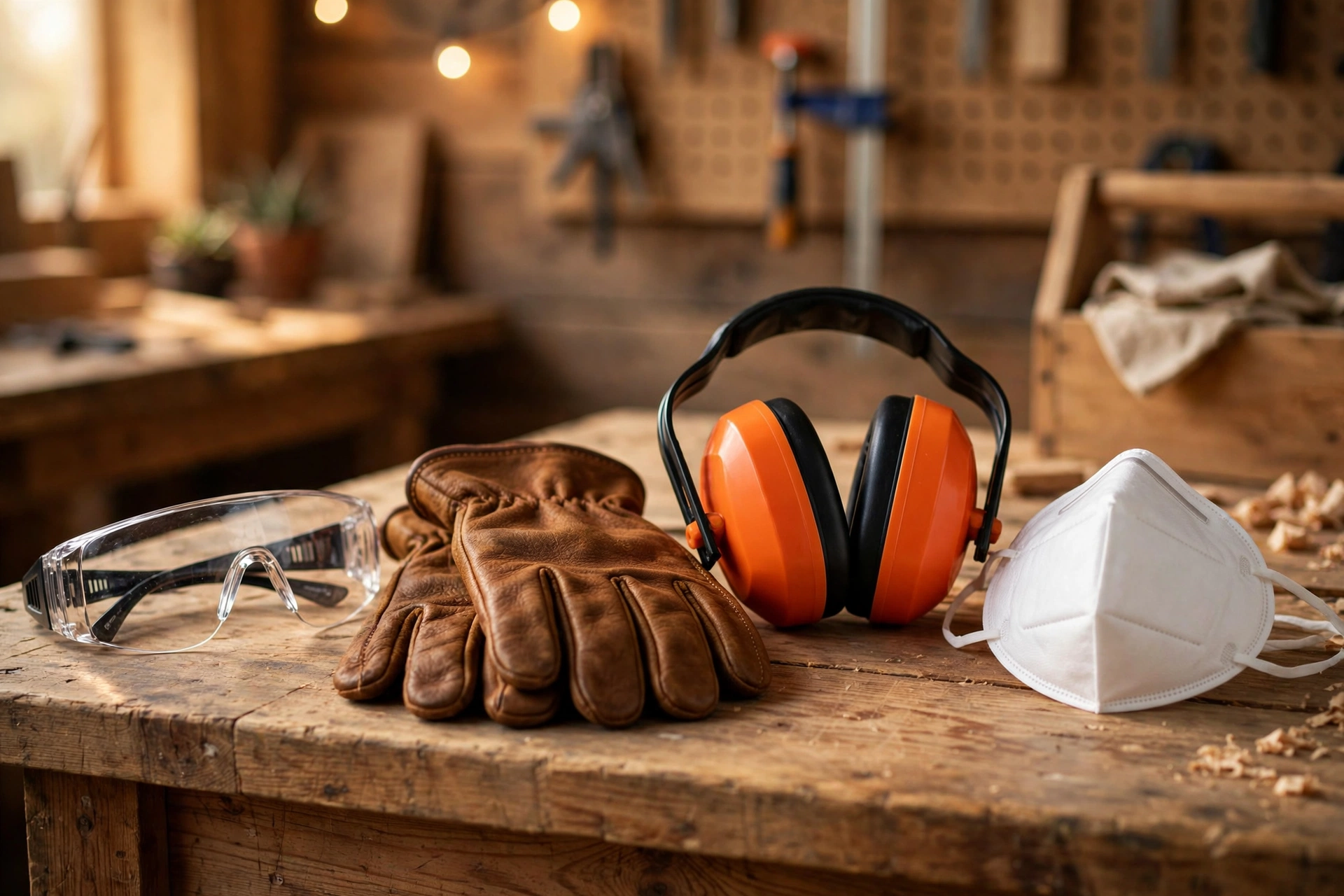
When you’re just getting started with DIY, safety gear feels optional — until the first time a wood chip hits your safety glasses instead of your eye and you realize it isn’t. Professional shops treat four categories of protection as non-negotiable: eyes, ears, lungs, and hands. That’s exactly how we’ve organized this guide: one pick for each.
The good news is that beginner safety gear is inexpensive and comfortable. Modern safety glasses look like sunglasses, ear protection can stream your podcasts, and dust masks are disposable and cheap. There’s no macho reason to skip any of this — the gear is easy, and your future self will thank you.
Each pick below is the simplest, most comfortable option in its category for a first-time DIYer. Our top pick overall is eye protection: nothing else on the list prevents a permanent injury as cheaply and easily as a pair of good safety glasses.
Our Top Picks at a Glance
| Product | Best for | Price |
|---|---|---|
| 3M Virtua CCS Safety Glasses | Eye protection (top pick) | Budget |
| 3M WorkTunes Connect | Ear protection | Mid-range |
| 3M 8210 N95 Respirator (20-pack) | Lung protection | Budget |
| Mechanix Wear Original Gloves | Hand protection | Budget |
3M Virtua CCS Safety Glasses (Clear Lens)
Best eye protection: anti-fog safety glasses
This is the single most important purchase in the guide. The Virtua CCS has an anti-fog coating so the lenses stay clear while you work, and a removable foam gasket that keeps sawdust from sneaking in around the edges. They’re light, they look like ordinary sport glasses, and they cost very little — put them on for every cutting, drilling, grinding, or hammering task.
3M WorkTunes Connect Hearing Protector
Best ear protection you’ll actually wear
Hearing damage is cumulative and painless, which is why beginners ignore it. These earmuffs solve that by pairing over Bluetooth so you can stream music or podcasts while you work — you’ll reach for them because they’re enjoyable, not because you should. Wear them for saws, routers, shop vacs, and any other loud tool.
3M 8210 N95 Particulate Respirator, 20-Pack
Best dust protection for sanding and sawing
Fine sawdust and sanding dust stay airborne long after you finish a cut, and a basic paper dust mask doesn’t seal well enough to filter it. This N95-rated respirator molds to your face for a proper seal, and the 20-pack lasts a beginner a long time. Put one on for any sanding, sawing, or sweeping up shop dust.
Mechanix Wear Original Gloves (Coyote, Large)
Best work gloves for grip and dexterity
These are the gloves that got comfortable work gloves mainstream: a snug fit that still lets you pick up screws and feel what you’re doing, grippy palms, and touchscreen-capable fingertips so you don’t have to take them off to check your phone. A great first pair for handling lumber, demo work, and anything rough or splintery.
What to Look For When Buying Your First Safety Gear
- Fit first: gear that doesn’t fit doesn’t get worn. Glasses should sit snug without pinching, earmuffs should seal fully around your ears, and gloves should be tight enough that you can feel small fasteners.
- Know when to wear each item: glasses for anything that cuts, drills, grinds, hammers, or sprays; earmuffs for anything loud; respirators for sanding, sawing, and dusty cleanup; gloves for rough materials and demolition.
- Replace when damaged: cracked or deeply scratched glasses, compressed or torn earmuff cushions, and clogged or soiled respirators should be replaced, not repaired — that’s why budget-friendly picks make sense.
- Comfort beats features: the best safety gear is the gear you actually put on. Anti-fog lenses, Bluetooth ear protection, and breathable gloves exist precisely to remove the excuses.
- One disposable item is fine: N95 respirators are single-use by design — toss each one when it gets dirty or hard to breathe through, and keep the pack where you can grab one without thinking.
- Glasses over contacts note: if you wear prescription glasses, consider safety glasses designed to fit over them or prescription-rated safety eyewear — regular glasses don’t count as impact protection.
If you buy only one thing from this guide, make it the 3M Virtua CCS safety glasses — they’re the cheapest insurance on the list and the one item that protects against a truly permanent injury. Then add the earmuffs, respirators, and gloves so that eyes, ears, lungs, and hands are all covered before your first real project.